

CG LAUDS OKOROCHA, UGWOKE FOR DOCUMENTING CUSTOMS REFORM IN NEW BOOK
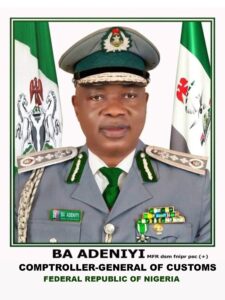
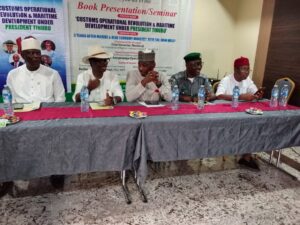
The Nigeria Customs Service has reaffirmed its pivotal role in national economic development, with Comptroller-General Bashir Adewale Adeniyi MFR declaring that reforms within the Service have strengthened trade facilitation, revenue generation, and maritime governance.
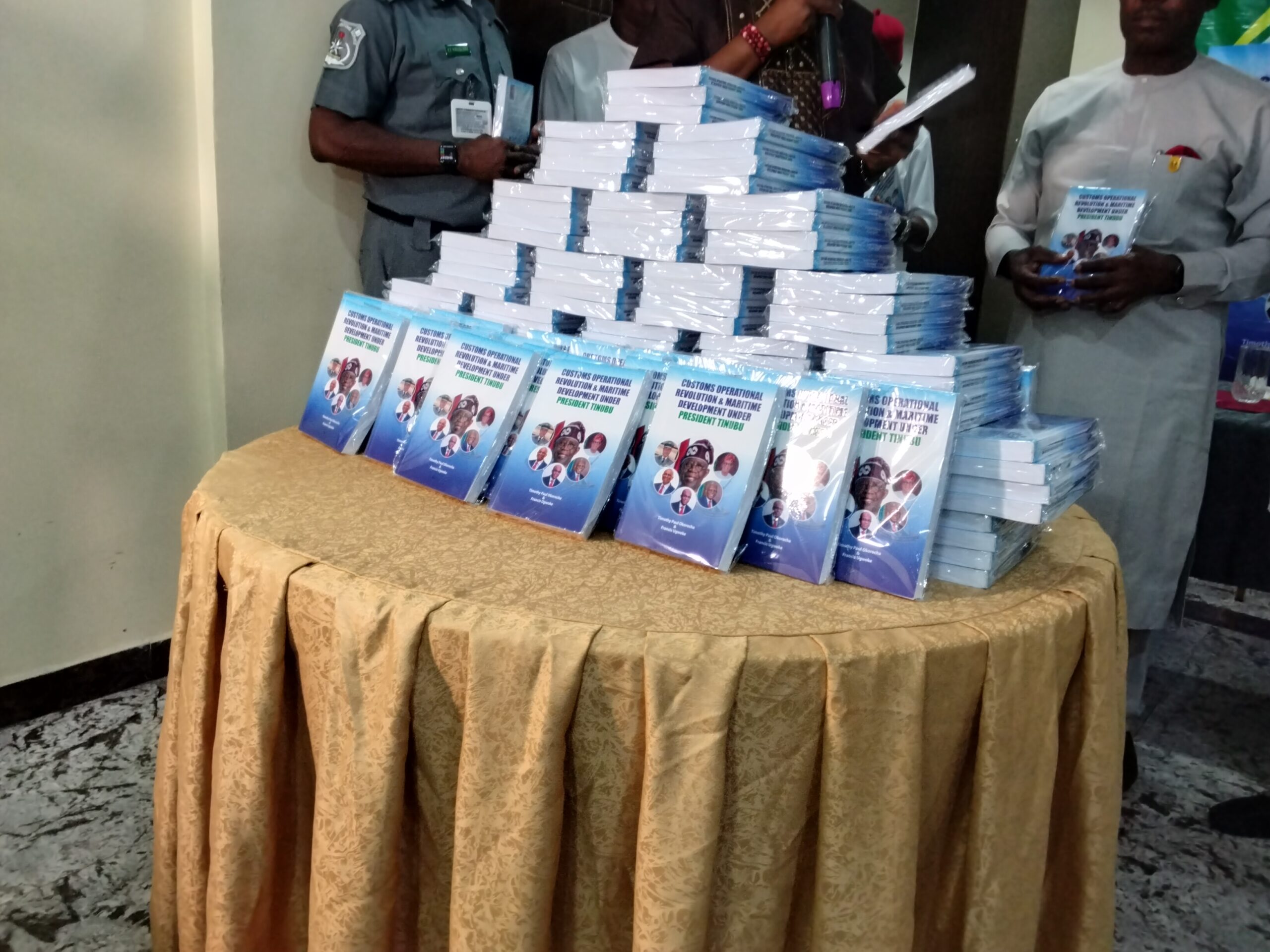
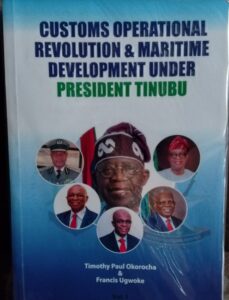
Represented by Comptroller C.C. Nwokorie at the launch of the book “Customs Operational Revolution & Maritime Development Under President Tinubu”, Adeniyi praised the authors, Chief Timothy Okorocha and Mr. Francis Ugwoke, for their commitment to documenting vital institutional milestones.
Adeniyi stressed the importance of knowledge and documentation, noting: “Documentation is critical to institutional growth. When reforms are properly documented, future generations can learn from them, policymakers can build upon them, and stakeholders can objectively assess their impact.” He explained that Customs’ improved revenue performance and anti-smuggling successes were anchored on six pillars: technology and automation, intelligence-led operations, stakeholder engagement, leadership and accountability, inter-agency collaboration, and trade facilitation reforms.
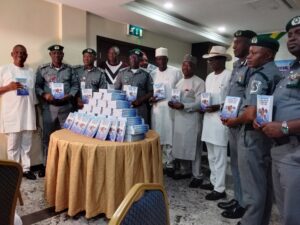
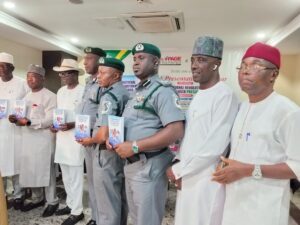
Speaking further, the Customs Service boss said: “The remarkable revenue growth and anti-smuggling successes recorded by the Nigeria Customs Service under CGC Bashir Adewale Adeniyi can largely be attributed to visionary leadership, technology-driven reforms, intelligence-led enforcement, stakeholder engagement, and stronger inter-agency collaboration. Nothing gives energy to strategy like synergy.”
In his welcome address, co-author Chief Timothy Okorocha explaining the motivation behind the book said: “Today is not merely about launching a book. It is also about reflection, documentation, and thoughtful engagement with a sector that remains central to Nigeria’s economic aspirations.” He emphasized that the work situates Customs reforms within the wider maritime ecosystem, examining the roles of agencies such as NIMASA, NPA, NSC, CRFFN, NIWA, and the Maritime Academy of Nigeria.
Okorocha added: “We observed many important developments that deserved to be preserved beyond newspaper headlines and daily reportage. We felt strongly that there was a compelling need to document these institutional journeys—not merely as events of the moment, but as part of the enduring historical and intellectual record of our nation.”
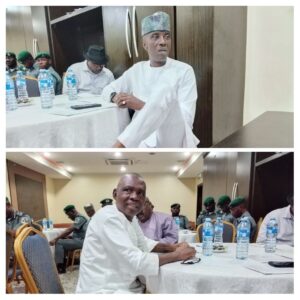
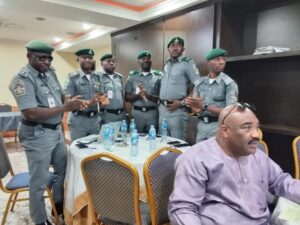
Cerebral Customs chief, DCG Dera Nnadi mni (Rtd), who reviewed the book escribed the work as “rich in industry content context, and a veritable reference material for scholarly engagement,” recommending it as a useful companion for customs personnel and stakeholders across the maritime sector. He emphasized that the book goes beyond reportage, documenting milestones and policy initiatives that have significantly shaped the industry in the past three years.
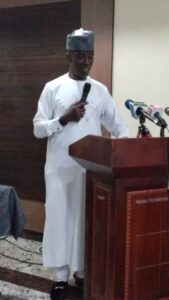
His words: “Customs Operational Revolution and the Development of the Maritime Industry under President Tinubu” by Timothy Okorocha and Francis Ugwoke is a timely and consequential work that chronicles the transformation of the Nigeria Customs Service within Tinubu’s reform era. Drawing on deep institutional memory, the authors situate today’s modernization drive in a historical continuum, from colonial revenue collection to digitized enforcement — showing Customs as a pillar of Nigeria’s fiscal sustainability and trade competitiveness.
“The book highlights the symbolic and transformative leadership of Comptroller-General Bashir Adewale Adeniyi, emphasizing reforms in meritocracy, human capital development, staff welfare, and stakeholder engagement. It underscores digital transformation as a strategic necessity, linking Customs modernization to maritime efficiency, port competitiveness, and Nigeria’s positioning in AfCFTA.
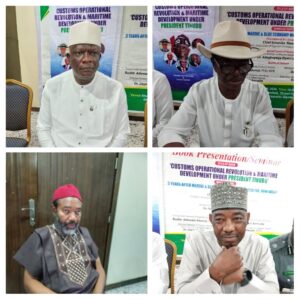
“While celebratory in tone, the authors also invite critical reflection, noting persistent challenges such as port congestion, logistics inefficiencies, and infrastructure deficits. Ultimately, the book stands as both documentation and debate material — a reminder that Customs reform is central to Nigeria’s economic future.”
The seminar, themed “Three Years After Marine and Blue Economy Ministry: How Far, How Well?”, invited reflection on Nigeria’s progress in harnessing maritime resources. Adeniyi described the creation of the Ministry of Marine and Blue Economy as a strategic decision by President Tinubu, aimed at unlocking Nigeria’s maritime potential for economic diversification, job creation, and sustainable development.
Goodwill messages from industry leaders including Dr. Boniface Aniebonam, founder of NAGAFF, represented by Chief Uche Increase, Secretary of the Customs Consultative Council, Fwrd. Eugene Nweke and AREFFN President, Frank Obiekeze, praised the authors for going beyond reportage to document reforms that have “upscaled the basket of achievements” in recent years.
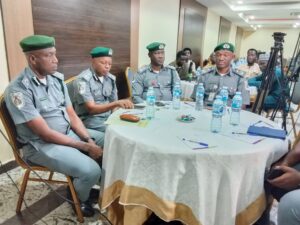
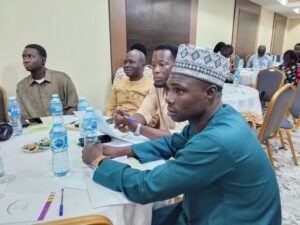
The Lagos launch was hailed not only as a literary milestone but also as a call to action for sustained documentation, dialogue, and collaboration. As Adeniyi reaffirmed: “The Nigeria Customs Service remains committed to securing our borders, facilitating trade, and supporting government initiatives aimed at promoting sustainable economic growth.”